In commercial applications, all scales are subject to mandatory calibration as soon as the price of goods is determined by weighing. Calibration must be renewed at fixed, regular intervals.
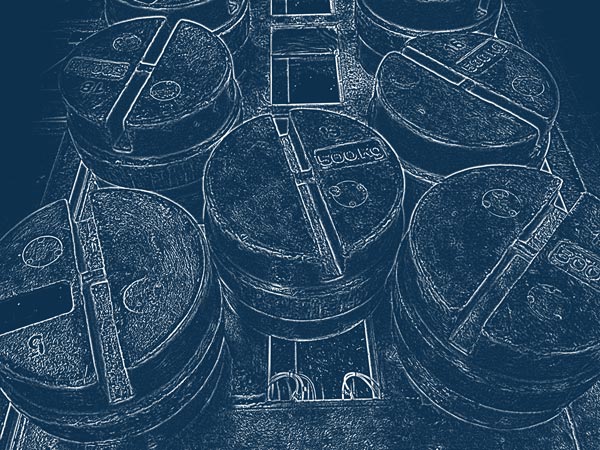

In commercial applications, all scales are subject to mandatory calibration as soon as the price of goods is determined by weighing. Calibration must be renewed at fixed, regular intervals.
The recalibrations that follow the conformity assessment of your scale are carried out at the designated inspection intervals by the regionally responsible calibration offices.
In Germany, calibration of a scale with a maximum weighing capacity of 3,000 kg or more is required every 3 years, and for scales under 3,000 kg every 2 years. The measuring instrument operator is responsible for submitting the calibration application to the competent authority in a timely manner. In most cases, that is you.
This applies not only to the scales we have delivered, but we also service almost all scales from other manufacturers and brands.
We recommend registering the scale as early as possible in the year of calibration, as this allows more flexibility in choosing your preferred appointment. Your scale should be registered with the local calibration office for calibration no later than 10 weeks before the end of the year, otherwise a penalty will be due.
Early registration of your calibration does not create any disadvantage for you, as only the year is relevant for the calibration appointment.
A vehicle scale that needs to be calibrated in 2023, for example, will be calibrated until 2026 after successful calibration by the calibration office. Regardless of whether the registration took place in January or October. However, in October the selection of appointments is significantly limited and may fall during your peak business period.
We provide all our scales with an information label from which you can see when your scale needs to be presented for calibration again.
Calibrations by the local calibration office incur fees that the calibration office charges to the scale operator.
The current fees can be found in the appendix of the Measurement and Calibration Fee Ordinance (MessEGebV), for example on the website of the State Office for Measurement and Calibration North Rhine-Westphalia (LBME).
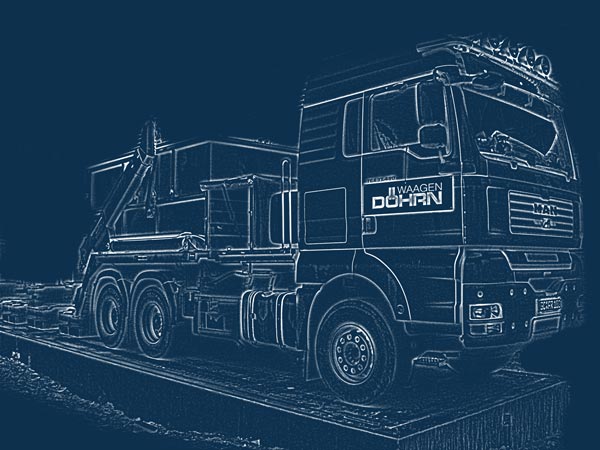
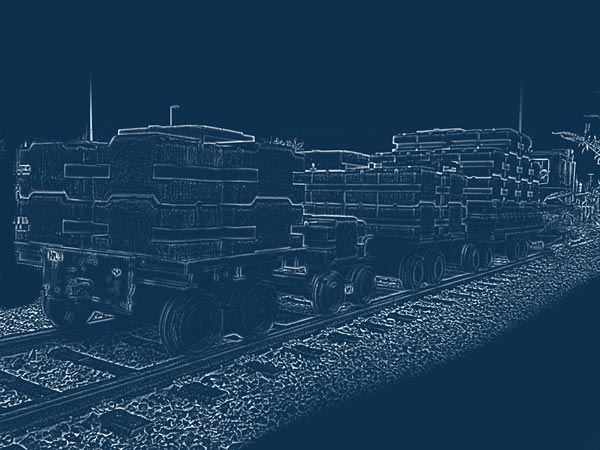
There are several reasons why it is important to have your scale calibrated regularly:
In summary, regular calibration of the scale is a necessary measure to ensure the accuracy, legal compliance, quality, and reliability of measurement values.
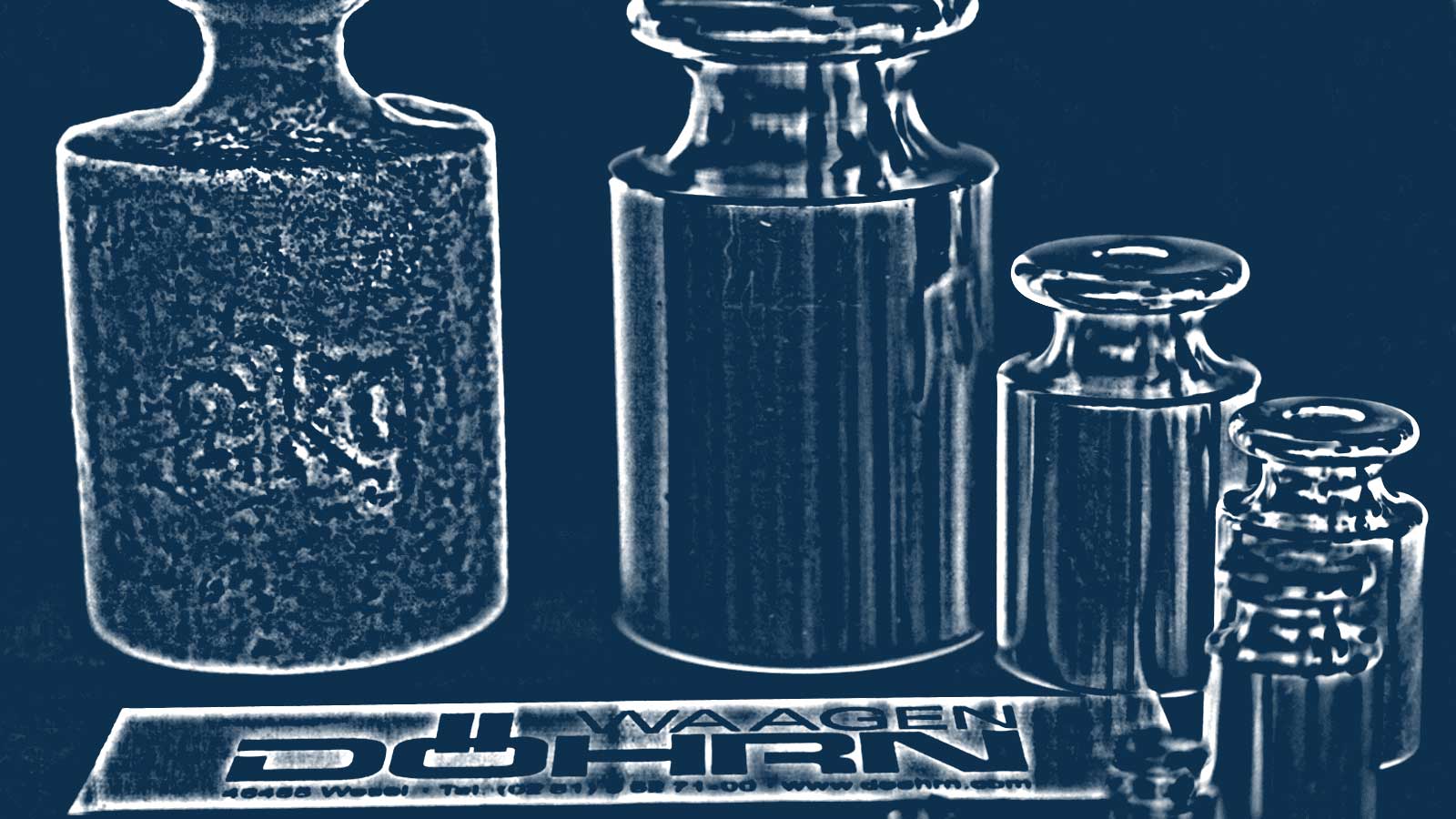
Scales need to be calibrated to ensure that they deliver precise and accurate measurement values. Calibration involves comparing the measurement value of a scale with a known standard weight to determine whether the scale is functioning correctly and whether it may need to be adjusted to avoid erroneous measurement values. Calibration is important for quality assurance, particularly in industrial and commercial applications, and is legally required in many countries.
In Germany, according to the Measurement and Calibration Act (MeßEichG) and the Ordinance on Measuring Instruments (MessVO), all scales used commercially, for trade, or for tax purposes must be calibrated. This includes scales used in industrial processes, trade, laboratories, and for monitoring weighing operations. This encompasses both digital and analog scales. It is important to note that scales used in private households but utilized commercially (e.g., for measuring food) must also be calibrated.
The frequency of calibration depends on the type and use of the scale as well as the requirements for measurement accuracy and can be annual, biennial, or less frequent.
The costs for calibrating a scale depend on various factors, such as the size and type of scale, the calibration service provider, and the location. In general, however, costs of several hundred to a thousand euros can be expected, depending on the size and complexity of the scale. There may also be additional costs if the scale needs to be transported to the calibration service provider or if repairs or maintenance work are required.
It is important to note that regular calibration is required to ensure the accuracy of the scale and to comply with possible legal requirements. Therefore, the costs for calibration should be considered as part of the total operating costs of a scale.
A calibrated scale is normally identified by a calibration seal or calibration label. These seals or labels are issued by a recognized calibration service provider or the calibration office and certify that the scale has undergone an inspection and complies with the applicable calibration regulations.
The calibration seal or label normally contains information such as the calibration date, calibration number, and the name of the calibration service provider or calibration office. Some calibration seals or labels may also display the expiration date after which a new calibration is required.
It is important to note that a missing or illegible calibration label or an expired calibration mark may indicate that the scale is not calibrated or that its calibration validity has expired. In this case, calibration should be considered to ensure that the scale delivers precise and accurate measurement values.
The calibration office is a government agency responsible for monitoring and conducting calibrations of measuring instruments, particularly scales. The tasks of the calibration office include:
The calibration office plays an important role in ensuring the accuracy and reliability of measuring instruments and contributes to protecting consumer interests. It is therefore important that measuring instruments are regularly calibrated by a recognized calibration service provider or the calibration office.
Simply fill out the fields below, and we will process your request right away. Please remember to include your phone number or email address so we can contact you.
Do you have a question or a concern? We’d be happy to assist you by phone as well.